
Resident vs non-resident accounts
TL;DR
- Spanish banks must classify every account holder as resident or non-resident — the account type follows your residence status, not your paperwork preferences.
- Non-resident status is proven with a certificación negativa de residencia issued by the Policía Nacional no more than two months before you present it (RD 1816/1991, art. 2.3).
- Many banks will obtain the certificate for you for a fee — standard practice, not an official procedure.
- Banks periodically re-verify non-resident status — the rhythm varies by bank. The letter asking you to confirm is genuine compliance, not spam.
- When you become a resident of Spain, you are expected to tell your bank and switch the account to resident status.
Facts verified 10 August 2026 against RD 1816/1991 (BOE) and Banco de España materials
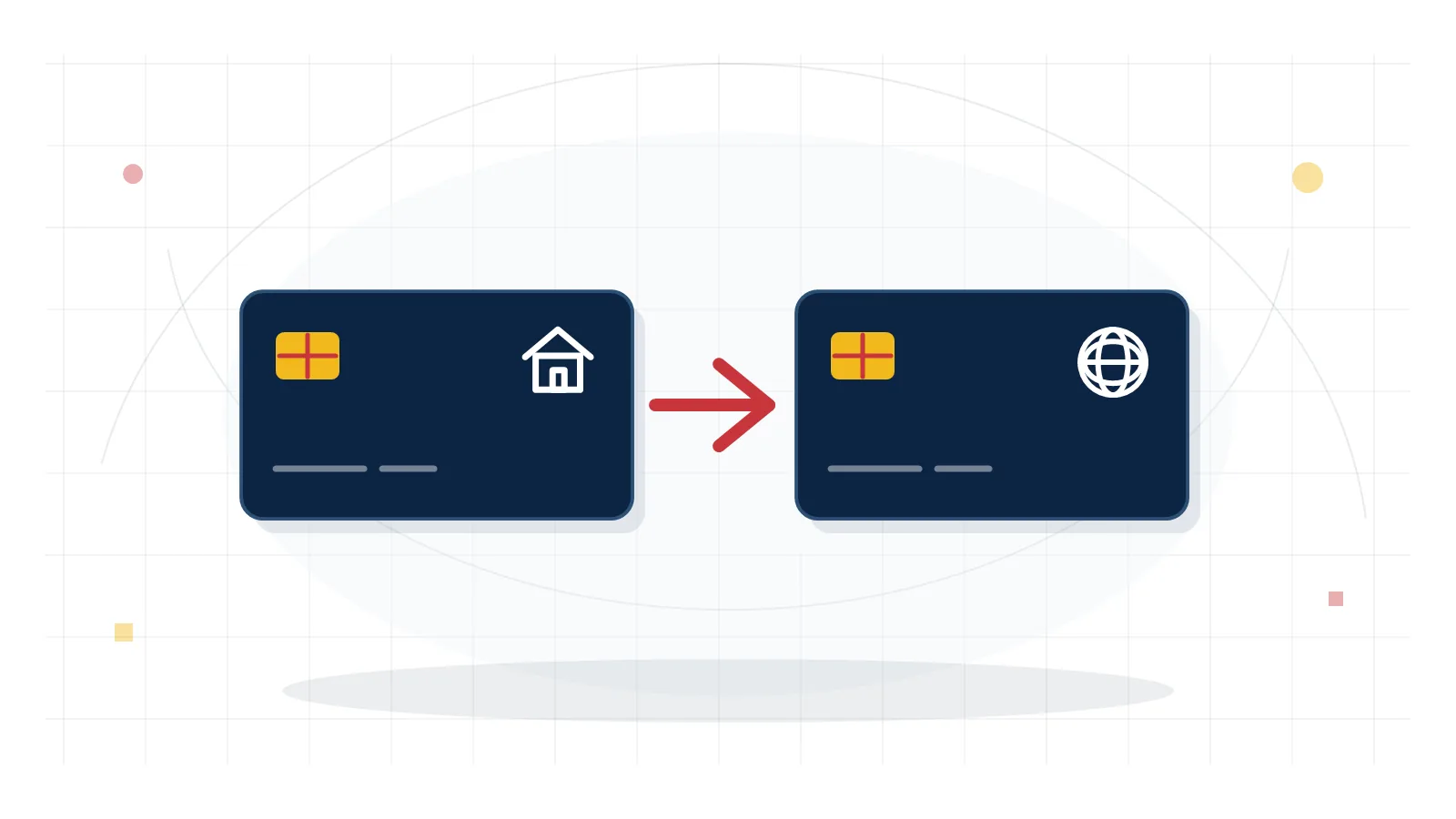
A Spanish bank account is never just "an account": under Real Decreto 1816/1991, the regime governing economic transactions with foreign countries, every holder is either a resident or a non-resident, and the bank is obliged to establish which. That classification decides what documents you show at opening, what fees you pay, and what letters you will receive years later. This page — part of our guide to banking and money in Spain — explains both statuses, the certificate that proves the non-resident one, and what to do when the bank writes to re-check.
Updated 10 August 2026
What actually separates the two accounts
Functionally, both are ordinary current accounts with a Spanish IBAN. The differences sit around the edges:
- Documents at opening. Resident accounts run on a passport plus NIE certificate; non-resident accounts on a passport plus the certificación negativa de residencia. The full side-by-side list is in opening a bank account.
- Fees. Higher maintenance fees for non-residents are common bank practice, and the usual fee waivers (salary deposit, pension deposit) are by definition harder for a non-resident to meet.
- Product access. Some products — certain mortgages, financing, investment accounts — are offered on different terms, or not at all, to non-residents.
- Compliance workload. Non-resident status is the one the bank has to keep re-checking; resident status it can see from your NIE and Spanish tax data.
The certificate: certificación negativa de residencia
The document behind every non-resident account is the certificación negativa de residencia — a certificate from the Dirección General de la Policía confirming that you are not a resident of Spain. RD 1816/1991, art. 2.3 sets the freshness rule: the certificate must have been issued no more than two months before it is used. It is requested with form EX-15, the same form used for NIE assignment.
Two practical notes:
- The bank can get it for you. Many Spanish banks offer to request the certificate on the customer’s behalf, for a fee, as part of non-resident onboarding. This is market practice — convenient, widespread, but each bank decides whether and at what price.
- Request it close to when you need it. With a two-month shelf life, a certificate obtained "for the drawer" expires before most people use it.
The re-verification letter is not spam
Sooner or later, holders of non-resident accounts receive a letter or app notification: please confirm that you are still a non-resident. This is the bank doing exactly what its compliance framework requires. Banks periodically re-verify non-resident status — the rhythm varies by bank; current Spanish rules do not fix a single calendar for it, so each institution runs its own cycle under its anti-money-laundering procedures.
What happens if you ignore it: nothing good. A bank that cannot confirm your status can reclassify the account as resident — with resident-account fees and tax treatment — or restrict and block it until you respond. Accounts frozen over an unanswered compliance letter are one of the most common and most avoidable banking problems non-residents have in Spain.
The safe response is boring: deliver a fresh certificación negativa de residencia (or whatever the bank’s letter specifies) through your branch or the bank’s own app. Never through a link in an unexpected email — see the scams section below.
Moving to Spain? Tell your bank
Residence status is not a one-way door, and the account should follow it. When you become a resident of Spain, you are expected to inform your bank of the change so the account is re-documented as a resident account — now hanging off your NIE certificate rather than the negative certificate. In practice the switch is a short appointment: updated ID, NIE, and often a Spanish address.
Doing this proactively beats waiting for the re-verification cycle to catch you: the resident account usually costs less, unlocks fee waivers, and spares you the compliance correspondence. It also puts your banking in line with reality before larger costs arrive — budgeting for which starts with the real cost of living in Spain.
⚠ Scams to avoid
- Phishing "confirm your residency status via this link". Genuine re-verification requests exist, which is exactly what makes the fake ones work. Banks accept status documents through the branch or their own app or web banking — treat any email or SMS link asking for documents or credentials as hostile until proven otherwise.
- "We’ll certify you as non-resident, no police involved — for a fee." Only the Policía Nacional issues the certificación negativa de residencia. A PDF from a commercial website is not the certificate and the bank will reject it.
- "Keep the non-resident account secret after you move." Not a scam sold to you but a mistake sold as advice: concealing a change of residence status from your bank invites reclassification, blocks and tax complications. The switch is cheap; the concealment is not.
FAQ
What is a certificación negativa de residencia?
A certificate from the Policía Nacional confirming you are not a resident of Spain, requested with form EX-15. For bank use it must have been issued within the last two months (RD 1816/1991, art. 2.3).
How often will my bank re-check my non-resident status?
There is no single fixed interval in current rules — banks periodically re-verify non-resident status and the rhythm varies by bank, under each bank’s own compliance procedures.
What happens if I ignore the bank’s status-confirmation letter?
The bank can reclassify your account as resident or restrict and block it until you respond. Answer the letter through the branch or the bank’s own app.
Do I have to switch to a resident account when I move to Spain?
You are expected to tell the bank when your residence status changes, and the account is re-documented as a resident account. Doing it proactively is faster and usually cheaper than waiting for the bank’s re-verification to force the issue.
Sources:
Real Decreto 1816/1991 (BOE) — residents and non-residents in economic transactions with foreign countries; art. 2.3 on the certificación negativa de residencia and its two-month validity; Sede Electrónica de la Policía Nacional — certificados de residente y no residente (form EX-15). Retrieved 10 August 2026. Statements about fees and banks obtaining the certificate for customers reflect common bank practice.
Reviewed by the Happy Residence S.L. team. Every figure on this page is checked against the official source on the date shown above.
We are an administrative assistance service, not a public administration.